Why a Bar With Private Room Appeals to Modern Hosts
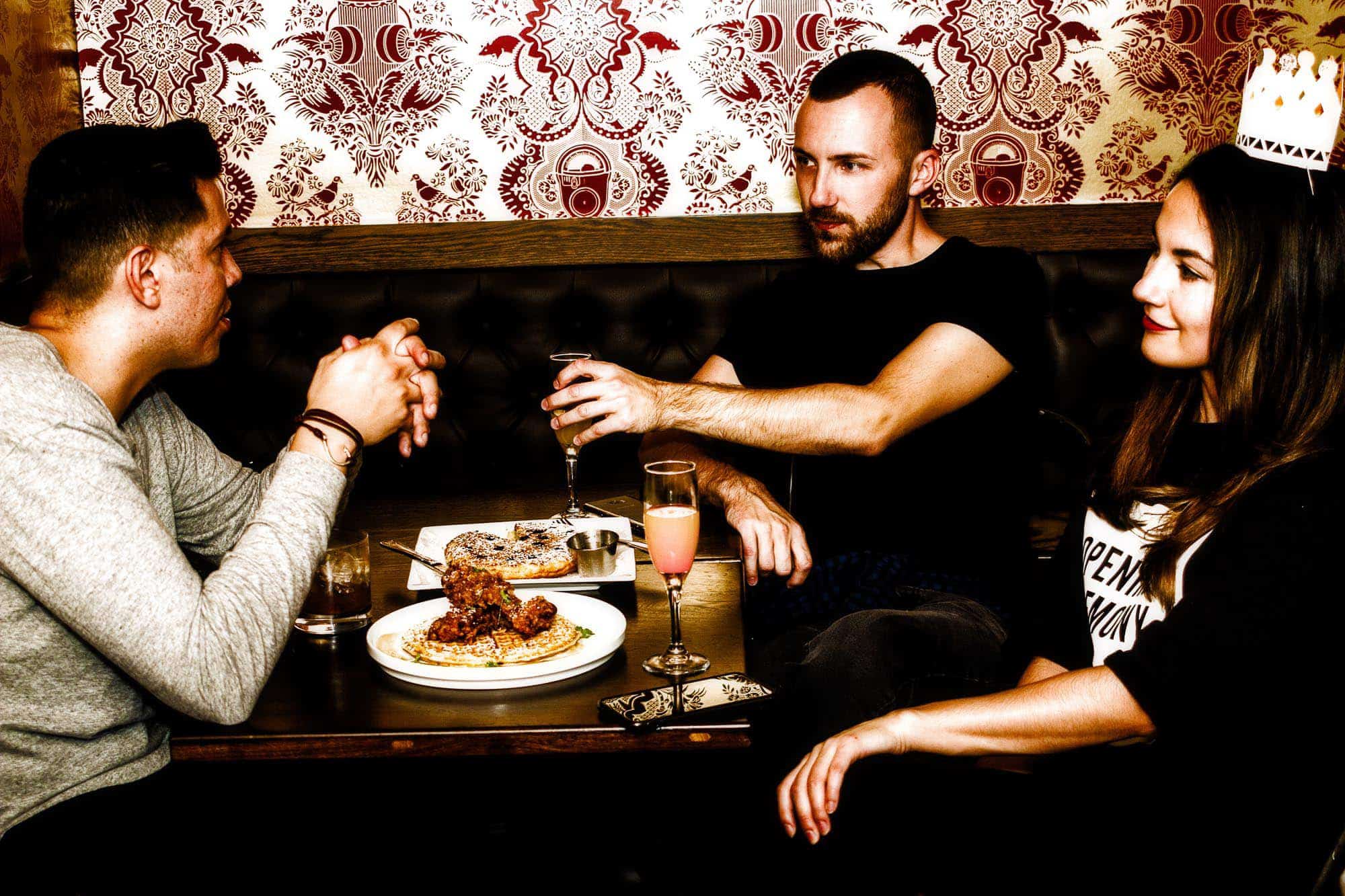
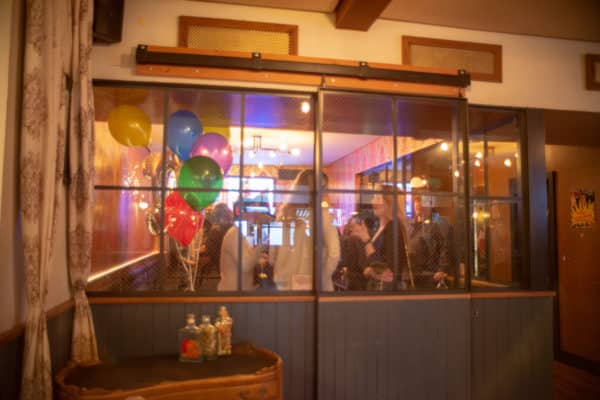
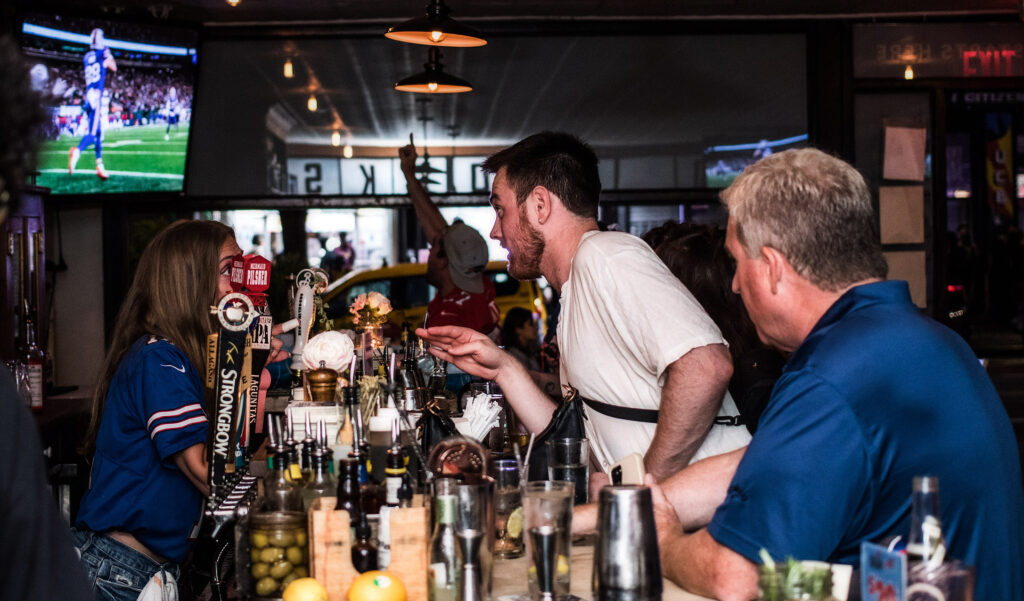
Hosting used to be simpler, at least on paper. You picked a restaurant, made a reservation, hoped the noise stayed manageable, and crossed your fingers that the table would be ready when guests arrived. That model still works for some occasions, but it falls short more often than many people admit. Expectations have changed. Hosts now need spaces that feel social without being chaotic, polished without being stiff, and flexible enough to handle different personalities in one group. That is where a Bar With Private Room has found its place.
The appeal is not hard to understand once you have seen one event go right in a well-designed private space. A birthday dinner gains energy because people can move around instead of staying locked into a formal seating plan. A client gathering feels warmer because conversation can happen without shouting over the main bar. A rehearsal dinner stays memorable because it has a distinct setting, not just a long table squeezed between other parties. The modern host is looking for control, atmosphere, and ease, often all at once. A private room inside a bar can deliver exactly that.
The shift from public dining to curated social space
For years, the default event venue sat at one of two extremes. You either booked a standard restaurant table and accepted the limitations, or you rented a dedicated event space and paid for a level of formality you might not even want. Many hosts now prefer something in the middle. They want a place that feels special but not ceremonial. They want to gather people in a setting with personality, but they also want practical advantages that ordinary open seating rarely provides.
A bar with a private room sits in that middle ground beautifully. It offers a sense of occasion without the administrative weight of a banquet hall. Guests get the ambient energy of a hospitality venue, but the host gets a defined area that can be shaped around the purpose of the event. That mix matters. Most people are not trying to stage a gala. They are trying to create a good night for 12, 20, or 40 people with minimal friction.
I have seen this choice work especially well for hosts who know their guest list includes different social styles. In nearly every mixed group, there are people who love the buzz of a lively bar and people who tire quickly when the room is too loud or too exposed. A private room solves that tension. Guests can still feel connected to the venue, but they are not forced to compete with it every minute.
Privacy has become a premium, even for casual occasions
Privacy used to sound formal, almost corporate. Now it reads as thoughtful. People are increasingly aware of how public most public spaces really are. Open-plan restaurants can be beautiful, but they also expose every conversation, every toast, every awkward timing issue to nearby strangers. For some occasions that does not matter. For many, it does.
A host planning an engagement party, graduation celebration, retirement gathering, or team dinner often wants guests to relax into the event without feeling observed. That does not mean the evening needs secrecy. It means the group benefits from a shared sense of ownership over the room. People speak more freely when they are not managing outside noise and outside attention.
This becomes even more important in work settings. Companies have become less enthusiastic about overly rigid private dining experiences, especially when the goal is relationship-building rather than a formal presentation. A private room in a bar can lower the temperature. It makes conversation feel less staged while still protecting the group from interruptions. People can network, celebrate, or debrief in a place that encourages candid interaction.
Privacy also helps with pacing. In an open venue, guests arrive in waves and immediately feel pressure to settle into their seats because they are part of the general flow. https://privatebin.net/?0dff66d0d5733194#EDJwcE3zyi8Q6cXyggNtXfa87ocQmBdQj3aGKPzBVthP In a private room, early arrivals can gather more naturally. Late arrivals can join without creating a scene. The event has a softer landing and a smoother build.
The best hosts are really managing energy
Good hosting is often described in emotional terms, but much of it comes down to logistics and energy control. Hosts want people to feel comfortable, connected, and looked after. That rarely happens by accident. It usually happens because the environment supports the behavior the host is hoping for.
A private room inside a bar gives a host more control over three essential variables: sound, movement, and focus. Sound is the most obvious. Even a beautifully designed main bar can become punishing once music, glassware, and neighboring conversations stack together. In private spaces, the decibel level is usually more manageable, or at least more consistent. Guests can hear one another, which changes the entire tone of the evening.
Movement matters too. In open dining rooms, groups often feel pinned to the table. There may be nowhere to stand with a drink, nowhere for sub-groups to peel off briefly, nowhere for a speech to happen without traffic crossing through it. A private room introduces circulation. People can mingle, shift seats, gather around one end of the room, or step aside for a one-on-one exchange without disrupting everyone else.
Focus is the quiet advantage many hosts only recognize after the fact. In a private room, the event becomes the center of attention. You are not competing with birthday songs from another section, a loud sports screen nearby, or the general unpredictability of the floor. If the night includes remarks, a toast, a slideshow, a game, gifts, or even just meaningful conversation, that focus is invaluable.
It feels more generous than a standard reservation
Guests notice when a host has put thought into the setting. Not because they expect luxury, but because they can tell when a space has been chosen to support the experience rather than merely contain it. A reserved table says, “We found a place.” A private room often says, “We made room for this occasion.”
That distinction has emotional weight. It can make a birthday feel less routine, a family gathering feel less scattered, and a business dinner feel less transactional. The host does not necessarily spend dramatically more, but the event often feels more intentional. That is one reason the Bar With Private Room has become a frequent choice for people who care about hospitality but do not want anything overly formal.
I remember a client appreciation event where the organizer originally considered a steakhouse dining room. The food would have been solid, but the layout would have divided the group into separate tables with no easy way to unify the evening. Instead, they chose a private room in a cocktail bar with flexible furniture, passed appetizers, and a small area for remarks. The cost was not wildly different, but the result was. Clients mingled across departments, the host could actually address everyone at once, and the night felt coherent rather than fragmented.
That kind of coherence is what modern hosts are really paying for.
Flexibility beats formality for many event types
One reason private bar rooms work so well is that they are not locked into one event script. Traditional private dining sometimes assumes a sequence: sit down, order, eat, leave. That structure suits some occasions. It does not suit all of them.
Private rooms in bars usually allow more variation in format. A host can begin with drinks and light bites, shift into seated dining, then open the room back up for mingling. A work team can hold a short recognition moment without needing a podium and banquet package. A family can run a surprise celebration without trying to hide cake and gifts under the table.
This flexibility also helps when attendance is uncertain. If you have ever hosted a birthday for 18 people and watched 23 show up, you already understand the stress that rigid seating can create. Private rooms often absorb those fluctuations better. Some venues can add stools, adjust high-top layouts, or rework service style on the fly. That adaptability can rescue an event that might otherwise feel overbooked or underfilled.
Different kinds of hosts tend to appreciate different aspects of that flexibility:
- Social hosts value atmosphere and ease, especially for birthdays, anniversaries, and reunions.
- Corporate hosts value controlled noise, better service coordination, and a setting that encourages conversation.
- Family hosts value privacy, a manageable environment for different age groups, and room for personal touches.
- Community organizers value the ability to create belonging without renting a full standalone venue.
- Hybrid hosts, the people mixing business and celebration, value all of the above at once.
The common thread is not extravagance. It is utility with style.
Service tends to improve when the group has a defined space
One of the least glamorous but most important reasons to book a private room is service flow. Large groups in open areas often experience uneven attention. Orders get tangled, drinks lag, and staff must constantly navigate around neighboring diners. Even skilled teams can struggle when a group is spread across a semi-connected cluster of tables.
A private room simplifies the map. Staff know where the party begins and ends. Guests know who is with them and where to gather. Food can be paced for the group rather than squeezed between other reservations. This is particularly important when the host wants the evening to feel seamless.
Better service does not always mean white-glove theatrics. Often it means fewer small breakdowns. Water gets refilled. Empty glasses are cleared before they accumulate. Dietary requests are tracked with less confusion. The host spends less time troubleshooting and more time actually hosting.
There is another subtle benefit here. In a private room, the venue can often assign a more focused team to the event, even if only informally. That continuity helps. Guests are not trying to flag down whichever server happens to pass by. Questions are answered quickly. Timing becomes easier to manage. If speeches are coming, staff can hold service briefly. If the room wants to stretch the cocktail portion before dinner, that adjustment is easier to coordinate.
Hosts rarely rave afterward that “the service architecture was efficient.” They say the night felt smooth. This is usually why.
The atmosphere still matters, and bars have an edge
People often underestimate how much venue personality contributes to a successful gathering. Standalone event spaces can be practical, but many feel generic unless heavily decorated. Restaurants can be lovely, but some private dining rooms feel detached from the life of the place. A bar tends to start with a stronger identity. Lighting, music, back-bar design, glassware, and cocktail culture all create built-in atmosphere.
That matters because hosts are not just renting square footage. They are borrowing mood. A private room connected to a compelling bar gives the event immediate texture. Guests arrive to a place that already feels alive. The host does not need to build everything from scratch.
This is especially useful for younger professionals and socially active hosts who want something photogenic without crossing into overly staged. A polished bar interior can make an event feel current and memorable, while the private room keeps it usable. You get the character of the venue and the function of a contained space.
Of course, not every bar is right for every group. Some lean heavily into nightlife and become difficult for conversation. Others prioritize style over comfort and end up looking better than they work. The strongest choices are the ones where the room supports the event at a practical level: enough seating, clear service access, decent acoustics, sensible lighting, and a layout that matches the group’s purpose.
Cost can be more reasonable than people expect
Many hosts assume private rooms are automatically expensive. Sometimes they are, especially in high-demand markets or premium venues. But in practice, a Bar With Private Room can be more financially efficient than piecing together a large-group booking in an open setting.
Part of that comes from minimum spend structures. Instead of paying room rental plus full catering in a separate venue, the host may simply commit to a food and beverage threshold. If the group was already going to eat and drink, that threshold may not feel like an added burden. In some cases it becomes easier to budget because the spend is centralized.
Another cost advantage is reduced need for extras. A private bar room often comes with furniture, ambiance, service staff, and basic event flow built in. You may not need significant décor, rentals, AV upgrades, or separate coordination staff. For hosts who want a polished result without a production budget, that matters.
Still, there are trade-offs. Minimums can climb quickly on peak nights. A room fee that looks modest can become less appealing once service charges and tax are added. Beverage packages can be convenient but wasteful if the group drinks lightly. This is where experienced hosts ask sharper questions before signing anything.
The most useful questions are usually practical, not glamorous:
- Is the minimum based on pre-tax and pre-service spend, or the final bill?
- How much time does the booking actually include, including setup and breakdown?
- Can the room be arranged for both mingling and seated service?
- What happens if the guest count changes in either direction?
- How much noise from the main bar reaches the room during peak hours?
Answers to those questions often tell you more than the brochure does.
Modern hosting includes mixed-purpose gatherings
Another reason private bar rooms have gained traction is that many events are no longer purely social or purely professional. Work and social life overlap in ways they did not a generation ago. Teams celebrate product launches with clients present. Friends gather after daytime meetings. Couples host engagement drinks with family, coworkers, and old friends all in one room. These groups need a venue that can hold different conversational modes without feeling confused.
A private room in a bar can do that because it is neither too formal nor too exposed. People can arrive from the office in business attire and still feel relaxed. Family members can attend without feeling trapped in a networking event. Friends can stay lively after dinner without relocating the group entirely. The space handles transitions well.
That transitional quality is underrated. One of the hardest things for a host to manage is the moment an event wants to become something else. A seated dinner wants to become mingling. A team toast wants to become casual drinks. A birthday meal wants to become a real celebration. In a rigid venue, that shift can feel awkward. In a private room attached to a bar, it often feels natural.
Hosts want fewer moving parts
There is a practical truth beneath all the aesthetics. People are busy, and hosting has become one more project in lives already full of scheduling friction. The ideal venue is not just attractive. It reduces decision fatigue.
When hosts choose a bar with a private room, they often do so because it solves several problems at once. There is a built-in beverage program. Food service is already on site. Staffing is handled. The room has some identity before the host adds anything personal. Guests can often continue the night in the main venue if they choose, which eliminates the awkward question of where to go next.
That last point is more useful than it sounds. A lot of events lose momentum because the official booking ends before the group is actually done. If the venue offers a graceful spillover into the public bar, the night can keep going without forcing the host to plan an after-party. Guests who want to leave can leave. Guests who want one more round can stay. The evening gets a natural second act.
What separates a smart booking from a disappointing one
Not every private room delivers on the promise. Some are glorified corners with a curtain. Some are acoustically poor, making speeches impossible. Some are so isolated that they lose the social energy that made the bar attractive in the first place. The best hosts know that private does not automatically mean better. It has to be the right kind of private.
The strongest rooms usually share a few traits. They feel separate, but not exiled. They can support both seated and standing interaction. Staff can enter and serve smoothly without disrupting conversation. Lighting is flattering but functional. Music is present but not punishing. There is enough identity in the space that it feels like part of the venue, not an afterthought.
Hosts should also think honestly about guest behavior. A room that works for a networking mixer may be wrong for a 70th birthday. A cocktail-heavy venue may thrill some groups and frustrate others who want a food-forward meal. A compact room may create intimacy for 14 guests and claustrophobia for 24. Numbers on paper never tell the whole story. Whenever possible, walk the room at roughly the same time of day and week as the planned event. The venue changes dramatically between a quiet Tuesday afternoon and a packed Friday evening.
Why this choice keeps gaining ground
The modern host is not just choosing a venue. They are managing comfort, image, budget, flexibility, and guest experience in one decision. A Bar With Private Room appeals because it addresses those pressures without making the event feel overproduced. It offers boundaries without stiffness, atmosphere without chaos, and structure without sacrificing spontaneity.
That combination is rare. It gives people room to celebrate, connect, negotiate, reunite, or simply enjoy one another with fewer compromises than the old default options. For many occasions, it turns out to be the setting people actually want, even if they did not know to ask for it at first.
When a gathering works, guests usually talk about the company, the drinks, the stories, and the mood. They do not always mention the room. But seasoned hosts know the room did more than hold the night together. It shaped it. That is the quiet power of choosing the right private space inside the right bar.
The Winslow
Address: 243 E 14th St, New York, NY 10003
Phone number: +12127777717
FAQ About Bar With Private Room
Which bars in NYC offer private rooms?
Many bars in New York City offer private and semi-private rooms for parties and events, ranging from hidden basement speakeasies to upscale lounge spaces. Top options include The Back Room on the Lower East Side, Dear Irving Gramercy, Pebble Bar in Midtown, Mister Paradise in the East Village, and The Winslow in the East Village.
What is a private room in a pub called?
A small, private seating area or partitioned booth in a traditional pub is most commonly called a snug. Larger private rooms used for events, parties, or dining are typically referred to as private dining rooms, function rooms, or back rooms.
How much does a 2 hour open bar cost?
A 2-hour open bar generally costs between $15 and $45 per person, depending heavily on the quality of alcohol you choose. For a standard group of 100 guests, this translates to an overall cost of $1,500 to $4,500 before taxes, setups, and staff gratuities.