Bar With Private Room Trends That Are Changing Private Events
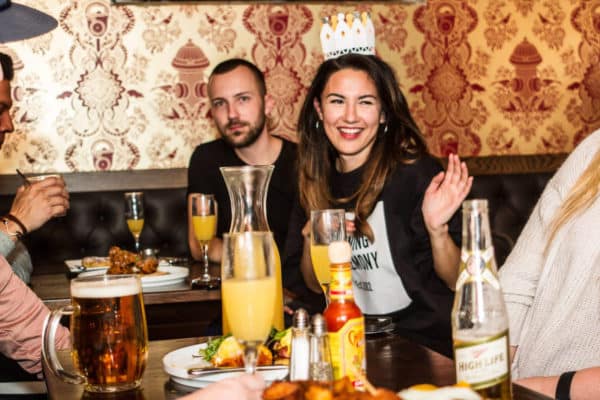
Private events used to split into two predictable categories. You either rented a formal venue with banquet furniture, preset packages, and a long lead time, or you grabbed a few tables in a public bar and hoped the crowd, music, and timing worked in your favor. That middle ground, the bar with private room, has changed the equation.
Over the past several years, private rooms inside bars have moved from being a convenient add-on to becoming one of the most strategic event formats in hospitality. Clients want flexibility without sacrificing atmosphere. Guests want a space that feels social, not staged. Operators want stronger margins, better use of square footage, and occasions that fill quieter nights. Those interests now overlap in a way they did not a decade ago.
What makes this shift worth watching is not just design or novelty. It is operational. It is commercial. It is cultural. A private room attached to a strong bar program can host a birthday dinner on Thursday, a client reception on Friday, a micro wedding on Saturday afternoon, and a holiday buyout on Sunday night. Few formats perform that many jobs without losing their identity.
I have seen rooms like these rescue underused mezzanines, turn awkward basements into revenue centers, and give neighborhood bars a second life with corporate clients who would never have booked the main floor. The trend is not one thing. It is a collection of changes in how people gather, how venues package experience, and how hosts think about value.
The room matters, but the bar matters more
There was a period when operators believed any enclosed space could be sold as “private.” Guests learned quickly that privacy alone is not enough. If the room feels detached from the energy of the venue, it can read like an afterthought. If it feels too exposed, it defeats the purpose of booking it in the first place.
The best private rooms now borrow identity from the bar instead of hiding from it. Guests want the confidence of a dedicated space and the atmosphere of a real venue. They want a room where speeches can happen without interruption, but they also want excellent cocktails, polished service, and a sense that they are part of somewhere people actually choose to go.
That is why bars with private rooms are outperforming many traditional event spaces in certain segments. The room may close, but the experience still feels alive. You are not entering a blank banquet box. You are stepping into a place with a point of view.
This matters especially for hosts between the ages of about 28 and 45, a group that books a huge share of milestone birthdays, engagement parties, rehearsal dinners, networking mixers, launch events, and team celebrations. They are usually less interested in ceremony for its own sake. They care more about taste, flow, and ease. A bar setting delivers social energy with less stiffness.
The rise of the “semi-private but controlled” event
One of the biggest shifts is that full privacy is no longer always the goal. In fact, many hosts now prefer what operators often call semi-private space, provided the room still offers acoustic control, dedicated seating, and service boundaries that feel intentional.
This is not a contradiction. It reflects how events have changed. Many gatherings are now less formal than they once were. A product team celebrating a launch may want a room to themselves, but they also like hearing some life from the bar beyond the door. A 30th birthday group may want a home base for toasts and food, then the option to spill into the main bar later in the night. Even family events have loosened. Hosts are often looking for structure without confinement.
From an operations perspective, this is a smart evolution. Fully sealed private rooms can feel premium, but they also create staffing and turnover challenges. Semi-private formats let venues preserve atmosphere, improve service visibility, and increase beverage capture from guests who migrate between spaces.
The important distinction is control. Guests do not need total isolation. They need confidence that the room is theirs, the sound is manageable, and the event will not be disrupted by the public side of the business.
Food and beverage packages are getting less rigid
Fixed menus still have their place, particularly for larger groups and corporate budgets, but the old package model is losing ground. Guests are more informed than they used to be, and less willing to accept generic platters and standard pours just because an event is “private.”
A modern bar with private room tends to offer more modular formats. Hosts might choose passed snacks for the first hour, then a few larger sharing plates. They may set a per-person bar limit for wine and beer, then allow cocktails on consumption. Some groups want welcome drinks and an open bar for 90 minutes, then a cash bar after that. Others would rather spend the same budget on fewer drinks but better bottles and stronger food.
That flexibility is not just customer-friendly. It protects margins if the venue understands its numbers. One of the most common mistakes I see is operators offering endless customization without guardrails. The strongest venues give clients options that feel tailored, while quietly steering them toward formats the kitchen and bar can execute cleanly.
Clients also expect better nonalcoholic choices now. A room booked for 20 people may include six guests who are not drinking alcohol, and they no longer want soda or cranberry juice passed off as hospitality. Good private event programs now treat zero-proof drinks as part of the experience, not an afterthought. That small detail often shapes how inclusive and polished the event feels.
Design is shifting from formal decor to functional comfort
A private room does not need velvet ropes, chandeliers, or expensive millwork to succeed. It does need comfort, adaptability, and details that photograph well without trying too hard. The visual language of private events has changed with social media, but not always in the obvious way.
Guests are not just looking for “Instagrammable” corners. They are looking for rooms that make everyone look relaxed, well-lit, and part of a coherent scene. Harsh overhead lighting, fixed conference-style tables, and overdecorated walls can kill that effect. Soft layered lighting, movable furniture, banquette seating, hooks for coats, and enough table space for drinks and phones are the sort of practical details that get remembered.
I have walked into private rooms that looked spectacular in listing photos and failed within minutes of guest arrival. Nowhere to place handbags. No side station for used glasses. Weak ventilation. Music from the main room bleeding through during speeches. Seating arranged for a dinner when the event was clearly a stand-and-mingle format. Those issues matter more than whether the wallpaper looks expensive.
The trend now leans toward rooms that can shift personality in under 30 minutes. A space might host a daytime workshop, reset for happy hour, then pivot to a birthday dinner that night. Flexible furniture and durable finishes are not glamorous topics, but they are driving performance.
Audio, screens, and hybrid expectations have become standard
Not every event needs technology, but nearly every host asks about it. Can they play their own playlist? Is there a screen for a slideshow? Will there be a microphone? Can someone patch in a remote speaker? Does the room have strong Wi-Fi? These were once niche questions. They are now routine.
The interesting part is that guests want tech that disappears. They do not want to feel like they booked a conference room. They want a hospitality setting that can quietly support practical needs. This is especially true in corporate social events, alumni gatherings, investor mixers, and wedding-adjacent celebrations where one or two speeches or visual moments matter.
Venues that handle this well rarely oversell it. They build simple capability into the room, train staff to troubleshoot basic issues, and avoid cumbersome vendor requirements for small events. If a group of 18 cannot easily connect a laptop to a screen, the room feels dated no matter how attractive it is.
At the same time, operators have become more disciplined about boundaries. Hybrid events sound simple until they interrupt service, delay meal pacing, or create a roomful of guests staring at a frozen video feed. Experienced venues now clarify what the technology can support and where the limits are. That honesty prevents a lot of event-day stress.
Smaller guest counts, higher expectations
One of the most important market shifts is that many private events have become smaller, but not cheaper in spirit. Guests are trimming headcounts and spending more intentionally per person. Instead of a 70-person blowout, a host may choose a 24-person private room with excellent drinks, better food, and cleaner service.
This is one reason the bar with private room model is thriving. It suits gatherings that want intimacy without sacrificing hospitality. A room for 12 to 35 guests is especially powerful because it feels full quickly, keeps the energy up, and allows hosts to spend on quality where people notice it.
From a venue perspective, smaller private events also reduce some classic pain points. There is less pressure on kitchen volume, fewer seating issues, and more opportunity for upselling through premium beverage selections or interactive food moments. The catch is that smaller groups tend to notice every service miss. If one server is absent for 15 minutes, the room feels ignored. If the timing on first drinks drags, people talk about it. Expectations rise as the room gets more curated.
Personalization is now measured in relevance, not quantity
There was a time when event personalization meant adding more things: signature cocktails, custom menus, balloons, branded napkins, dessert towers, and decorative flourishes that often did little for the guest experience. That approach is fading.
Today, the strongest personalization is selective. It feels tied to the reason people gathered. A literary nonprofit hosting donors may want one well-executed spoken moment and a cocktail named for a program theme. A rehearsal dinner might want family photos on a screen and a late-night round of the couple’s favorite snacks. A startup team might care less about custom decor than about having a room that transitions smoothly from presentation to celebration.
Too much customization can actually make an event feel less sophisticated. I have seen hosts spend heavily on add-ons while neglecting the basics: enough seating for older relatives, the right mix of food for a two-hour event, a straightforward check process, or clear signage from the entrance to the private room. Guests remember whether they felt looked after. They rarely remember the branded stir sticks.
Corporate events are becoming more social, and social events more structured
This crossover is shaping booking patterns in a major way. Corporate clients increasingly want warmth, character, and stronger hospitality than traditional meeting venues provide. Social hosts increasingly want timelines, service planning, and contract clarity that used to belong to business events.
That creates an opening for bars with private rooms. They can feel polished without feeling institutional. A company can host a client mixer in a room with proper lighting, strong cocktails, and a menu people actually want to eat. A birthday host can request a run-of-show, dietary accommodations, and timed canape service without feeling overly formal.
The most successful operators have responded by professionalizing their private event process without stripping away personality. Good follow-up, clean proposals, realistic minimums, and event-day coordination matter. Casual charm does not excuse operational looseness once money and guest expectations are on the line.
The booking window is getting shorter, but not simpler
Many hosts now book later than venues would prefer. This is partly budget caution, partly decision fatigue, and partly a reflection of how quickly plans move once a date is chosen. It is common for smaller private events to come together within two to six weeks. In busy seasons, that creates friction.
Shorter lead times reward venues that maintain current availability, answer inquiries quickly, and present packages clearly. A beautiful room loses business when response time stretches past 48 hours. A competing venue with a slightly less impressive space can win simply by being organized and easy to work with.
For hosts, late booking has trade-offs. The room might still be available, but ideal start times, custom menu requests, or AV support may not be. Costs can also climb around peak dates, especially in November, December, May, and June. Private rooms in bars are often more flexible than standalone event venues, but they are not infinitely elastic.
A bar with private dining room few practical questions separate good bookings from frustrating ones:
- Is the room truly private during the entire event window, including setup and breakdown?
- What is included in the minimum spend, and what sits outside it, such as tax, gratuity, room fee, or AV?
- How will food be served, and does that match the way guests will actually use the room?
- Who is the point person on the day, and what authority do they have to solve problems?
- What changes are still possible seven days before the event?
Hosts who ask these questions tend to avoid the common disappointments. Operators who answer them cleanly tend to close more business.
Neighborhood identity has become a selling point
Not long ago, private event clients often prioritized central business districts, hotel zones, or obvious nightlife hubs. That still matters, but neighborhood character now plays a much bigger role in venue selection.
A bar in a residential or mixed-use neighborhood can offer something many downtown venues cannot: a sense of local belonging. Guests arrive expecting a more distinctive experience. They may stay longer. They may return on their own. For celebrations especially, that repeat relationship matters. People like hosting in places they would proudly recommend later.
This trend is especially visible in cities where guests are willing to travel for quality but no longer want generic central locations at any cost. A private room above a respected cocktail bar, tucked behind a wine-focused dining room, or downstairs in a lively neighborhood pub can feel more memorable than a larger but anonymous event space.
For operators, this creates a useful tension. The venue must preserve the authenticity of its regular business while becoming legible to private event clients. If the event program overwhelms the venue’s personality, regulars notice. If the event offering is too loose or underdeveloped, clients hesitate. The balance is delicate, but when it works, it is powerful.
Privacy now includes comfort, security, and social ease
When people hear “private room,” they often think first about exclusivity. In practice, privacy has broadened. Guests also mean emotional ease. They want to celebrate without competing for bar access, wondering where to stand, or worrying that strangers are drifting into the group.
This is why well-managed entrances, coat storage, restrooms nearby, and clear room boundaries matter so much. Privacy is partly architectural and partly behavioral. A room can have a door and still feel exposed if staff are constantly crossing through it to reach storage or if public guests mistake it for overflow seating.
Security concerns have also become more visible, especially for higher-profile hosts, all-ages family gatherings, or events where gifts, equipment, or branded materials are present. Venues do not need fortress-level protocols for most bookings, but they do need thoughtful handling of access, tabs, and guest flow.
Sustainability is finally moving past token gestures
Private events have long generated obvious waste: printed materials, excess packaging, untouched platters, single-use decor, and poorly planned beverage purchasing. Hosts are more sensitive to that now, though not always in a performative way. They simply do not want to pay for things no one values.
The venues adapting best are making practical sustainability choices feel normal. Better portion planning. Reusable service pieces. Flexible menu structures that reduce overordering. Smarter floral and decor policies. Transparent guidance on what actually improves the event and what tends to become waste.
This trend will not always show up in marketing language, but it is influencing buying behavior. Clients often respond well when an event manager says, plainly, “For a two-hour cocktail event of 25 people, you probably do not need three dessert options.” That kind of advice saves money and builds trust.
What hosts should look for before they sign
A private room can look excellent online and still be wrong for the event. The difference usually reveals itself in the details, not the sales language. A room suited to a standing reception may fail for a seated family dinner. A room with strong AV may be awkward for guests with mobility concerns. A beautiful beverage program may not compensate for weak food pacing if the event spans Bar With Private Room three hours.
When evaluating a bar with private room, hosts should pay attention to fit, not just finish. The right room supports the event’s actual social behavior. Will people mingle, sit, present, toast, dance a little, or move between all of those? The space needs to carry that rhythm without strain.
It also helps to visit at roughly the same time of day as the event, if possible. A room that feels calm at 3 p.m. May sound very different at 7 p.m. On a Friday. You learn a lot by standing in the doorway and listening.
Where this category is heading
Private event demand is not moving back toward stiff formality. If anything, it is becoming more selective and more experience-driven. People still care about budgets, sometimes intensely, but they are less willing to spend on generic spaces that ask them to manufacture atmosphere from scratch.
That is the opening the modern bar with private room continues to fill. It offers built-in energy, scalable hospitality, and enough control to make a gathering feel intentional. For operators, it turns underused space into a strategic asset. For hosts, it solves a problem that old venue models often handled badly: how to create an event that feels special without feeling overproduced.
The venues likely to win in the next phase are not necessarily the largest or flashiest. They are the ones that understand private events as both hospitality and choreography. They know when to package, when to customize, when to protect the room’s identity, and when to quietly adapt it to the people inside.
That is the real trend beneath all the others. Private events are no longer about renting a room. They are about borrowing the right atmosphere, for the right number of hours, with just enough structure to let people relax into the occasion. A well-run bar with private room does exactly that, and that is why it has become one of the most influential formats in the event business.
The Winslow
Address: 243 E 14th St, New York, NY 10003
Phone number: +12127777717
FAQ About Bar With Private Room
Which bars in NYC offer private rooms?
Many bars in New York City offer private and semi-private rooms for parties and events, ranging from hidden basement speakeasies to upscale lounge spaces. Top options include The Back Room on the Lower East Side, Dear Irving Gramercy, Pebble Bar in Midtown, Mister Paradise in the East Village, and The Winslow in the East Village.
What is a private room in a pub called?
A small, private seating area or partitioned booth in a traditional pub is most commonly called a snug. Larger private rooms used for events, parties, or dining are typically referred to as private dining rooms, function rooms, or back rooms.
How much does a 2 hour open bar cost?
A 2-hour open bar generally costs between $15 and $45 per person, depending heavily on the quality of alcohol you choose. For a standard group of 100 guests, this translates to an overall cost of $1,500 to $4,500 before taxes, setups, and staff gratuities.